
Are you ready to transform your shopping habits while saving money and protecting the planet? Bulk buying is not just a trend; it's a sustainable choice that aligns with both economic and environmental goals.
What You Will Learn
- Households can save up to 30% on grocery bills by switching to bulk buying.
- Bulk buying significantly reduces packaging waste and helps protect the environment.
- Planning meals around bulk items minimizes food waste and maximizes savings.
- Supporting local producers through bulk buying lowers food miles and boosts the local economy.
- Joining cooperative buying groups can further enhance savings and product variety.
- Implementing bulk buying practices helps embrace a zero-waste lifestyle.
Bulk Buying Benefits: Annual Savings & Waste Reduction
Discover how switching to bulk buying can save you money and reduce waste, supporting both your wallet and the planet. This approach aligns perfectly with making eco-friendly health product choices.
Annual Household Savings
Up to 30%
on Grocery Bills
$48
Rice (5kg)$24
Dried Beans (2kg)$18
Oats (1kg)Cost Savings on Pantry Staples
Almonds (1kg)
Whole Grain Flour (5kg)
Quinoa (1kg)
Making Sense of Bulk Buying: The Environmental and Economic Benefits
Did you know that by switching to bulk buying, households can save up to 30% on their grocery bills while significantly reducing waste? It’s a win-win! This approach not only helps your wallet but also our planet. At Health Stores Australia, we believe that making informed choices can lead to a healthier lifestyle and a healthier world.
Understanding the Impact: Environmental and Financial Insights
Let’s break down the benefits of bulk buying. Here’s a handy table that illustrates how much a typical household could save annually while minimizing waste:
| Item | Retail Price | Bulk Price | Annual Savings |
|---|---|---|---|
| Rice (5kg) | $12 | $8 | $48 |
| Dried Beans (2kg) | $6 | $4 | $24 |
| Oats (1kg) | $4 | $2.50 | $18 |
These figures reflect just a glimpse of the potential savings, and when you consider the reduction in packaging waste, the benefits multiply. Bulk buying can lead to significant reductions in plastic waste, meaning a happier planet for all of us!
How Bulk Shopping Minimizes Waste: A Closer Look
Reducing Packaging Waste through Bulk Buying and Eco-Friendly Products
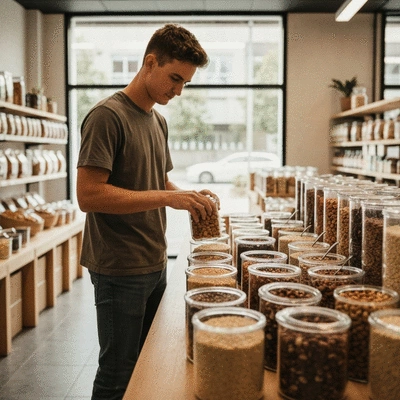
One of the most straightforward ways to contribute to a greener planet is by reducing packaging waste. When we opt for bulk products, we often bypass unnecessary single-use plastics. Instead of each item being wrapped in layers of packaging, we can scoop or pour directly into our own containers! This commitment to sustainability is why many health stores are adopting sustainable packaging solutions.
- Choose items with minimal packaging.
- Use reusable bags for transport.
- Opt for products that are refillable.
By embracing these practices, we can collectively minimize our environmental footprint while shopping. Remember, every small step counts!
Minimizing Food Waste with Exact Quantities and Meal Planning
When it comes to food, buying in bulk means you can purchase just the right amount you need for your meals. This approach not only saves you money but also drastically reduces food waste. By planning your meals around bulk items, you ensure that nothing goes to waste. For example, if you know you’ll be making a stir-fry, buy just enough rice or veggies in bulk to match your recipe!
Lowering Food Miles and Supporting Local Producers and Markets
Another essential aspect of bulk buying is its potential to lower food miles. By choosing local and organic products, you not only support local businesses but also significantly reduce your carbon footprint. Buying locally sourced foods allows you to enjoy fresher ingredients while contributing to your community’s economy.
- Look for farmers' markets or local co-ops.
- Check labels for local sourcing information.
- Inquire about store policies on supporting local producers.
At Health Stores Australia, we encourage you to explore local markets and make conscious decisions about where your food comes from. Together, we can create a more sustainable future!
Saving Money by Buying in Bulk: Real-Life Comparisons
Cost-Effective Shopping: Price Comparisons of Pantry Staples and Health Store Discounts
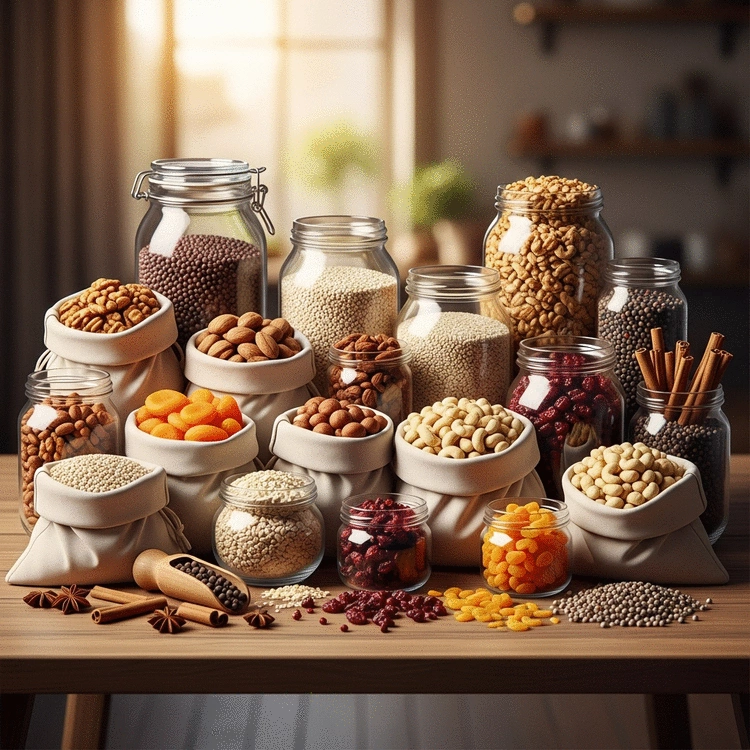
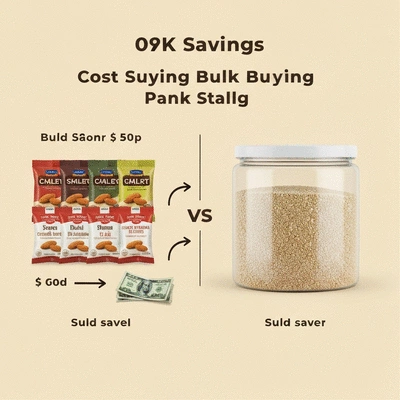
Many people are surprised to discover the actual savings when shopping for pantry staples in bulk. For instance, purchasing nuts, grains, and even spices can yield significant discounts. Here are a few examples:
- Almonds (1kg): Retail $20 vs. Bulk $15
- Whole Grain Flour (5kg): Retail $12 vs. Bulk $8
- Quinoa (1kg): Retail $14 vs. Bulk $10
These price comparisons highlight the benefits of bulk buying. Not only do you end up with a better deal, but you also enjoy the added benefit of reduced packaging waste!
Understanding Bulk Discounts, Cooperative Buying, and Group Buys
Consider joining forces with friends or family to take advantage of bulk discounts. Many health stores offer cooperative buying options where you can get even lower prices by purchasing items together. This can be a fun way to explore new products and share costs!
- Form a buying group with friends.
- Research local co-ops for bulk discounts.
- Sign up for newsletters to learn about bulk sales and specials.
At Health Stores Australia, we believe that community efforts can lead to healthier choices for individuals and families alike. So why not gather your friends and start saving?
Pro Tip
To maximize your savings and minimize waste while bulk buying, consider planning your meals around the bulk items you purchase. This not only helps you buy exactly what you need but also encourages creativity in the kitchen. Try experimenting with new recipes using grains, legumes, and spices that you might not usually include in your diet!
Embracing a Zero-Waste Lifestyle through Bulk Buying and Sustainable Shopping
Transitioning to bulk shopping offers profound benefits, not just for your wallet but also for our planet! By making the switch, you're contributing to waste reduction and promoting a sustainable lifestyle that aligns with your health goals. Imagine the impact: less packaging waste in landfills, reduced carbon emissions, and potential savings on your grocery bills. It's a win-win situation!
As we strive to live more sustainably, bulk buying becomes a key player in our efforts. By committing to this approach, you can significantly cut down on single-use plastics and invest in quality products that are better for your health and the environment. Let’s explore how you can embrace this lifestyle fully!
Frequently Asked Questions About Bulk Buying
- Q: How much can I save by bulk buying?
- A: Households can save up to 30% on their grocery bills by switching to bulk buying, especially on pantry staples like rice, beans, and oats.
- Q: What are the environmental benefits of bulk buying?
- A: Bulk buying significantly reduces packaging waste, particularly single-use plastics, and helps minimize food waste by allowing you to purchase exact quantities for meal planning. It also promotes lower food miles when sourcing locally.
- Q: How does bulk buying reduce food waste?
- A: By purchasing items in bulk, you can buy precise amounts needed for your meals, which helps prevent over-buying and ensures that food is used before it expires, thus minimizing waste.
- Q: Can bulk buying support local economies?
- A: Yes, by choosing local and organic products from bulk sections or farmers' markets, you support local businesses and reduce the carbon footprint associated with transporting goods over long distances.
- Q: What are cooperative buying groups?
- A: Cooperative buying groups are formed by individuals who pool their resources to purchase items in larger quantities, often directly from producers, to get better prices and access a wider variety of products.
- Q: What steps can I take to start bulk buying?
- A: Visit local health stores with bulk sections, bring reusable containers, research online guides for sustainable living, and connect with community groups focused on co-op purchasing.
Take Action: Start Your Bulk Buying Journey Today with Health Trends in Mind
Are you ready to take the plunge into bulk shopping? Here are some actionable steps you can take to kickstart your journey:
- Visit your local health stores and explore their bulk sections.
- Try bringing your own reusable containers to make the most of your shopping experience.
- Check out online resources for bulk buying guides and sustainable living tips.
- Connect with community groups focused on co-op purchasing and sharing bulk buys.
Every effort counts, and by taking these steps, you can contribute to a healthier you and a healthier planet! At Health Stores Australia, we're here to support you with practical resources and expert advice to make your transition as smooth as possible. Start exploring your local options today and discover the many benefits that come with bulk buying! If you're looking for further guidance, learn how to save on health store products through various strategies.
Recap of Key Points
Here is a quick recap of the important points discussed in the article:
- Bulk buying can save households up to 30% on grocery bills while reducing waste.
- Choosing bulk products minimizes packaging waste and supports a greener planet.
- Meal planning with bulk items can significantly reduce food waste.
- Buying locally sourced bulk foods lowers food miles and supports local economies.
- Participating in cooperative buying can lead to even greater savings and product exploration.
- Embracing bulk buying contributes to a zero-waste lifestyle and promotes sustainable shopping practices.