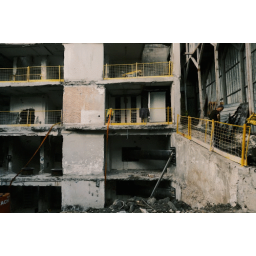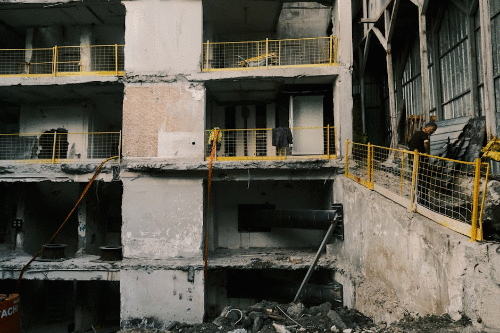

Asbestos safety must be handled before demolition Melbourne because fibres can become airborne when old sheets, eaves, fences, vinyl, backing boards, roofs, or wet-area linings are cut, broken, drilled, or moved. Homeowners should identify suspect materials early, keep people away, and use licensed help where required.
Why Asbestos Matters To Household Health
Asbestos is dangerous when fibres are released and breathed in. Materials that are intact and undisturbed may present less immediate risk, but demolition changes that condition quickly. Breaking, sanding, drilling, scraping, and dropping material can release dust.
Health-focused readers should treat asbestos as an exposure-prevention issue. The safest plan is to identify suspect material before work starts, keep it intact, prevent untrained handling, and arrange controlled removal before general demolition.
Older Melbourne homes can contain asbestos in many places. Common locations include eaves, wall sheets, bathroom and laundry linings, vinyl floor backing, switchboard panels, corrugated roofing, fencing, sheds, pipe lagging, and backing boards behind tiles.
Identification Comes Before Demolition
WorkSafe Victoria states that asbestos likely to be disturbed by demolition or refurbishment must be identified before the work begins. Homeowners should not rely on sight alone because many asbestos-containing materials look similar to non-asbestos products.
An asbestos inspection may include visual assessment, sampling, laboratory testing, and a register or report. The report should identify location, condition, material type, recommended controls, and removal requirements.
If you do not know what a material is, do not cut, break, sweep, vacuum, pressure wash, or move it. Stop and get the material assessed. Guessing is the risk.
Licensed Removal Protects Families And Neighbours
Asbestos removal is controlled because poor handling can spread fibres beyond the work area. Licensed removalists use isolation, wet methods, personal protective equipment, approved packaging, signage, decontamination, and lawful disposal.
Homeowners should keep children, pets, visitors, and neighbours away from suspect areas. Do not place asbestos waste in household bins or mixed demolition skips. Do not reuse old asbestos sheets for garden edging, sheds, or temporary covers.
Clearance documentation matters. A proper handover helps the demolition contractor know what has been removed, what remains, and which areas need further controls.
What To Do If You Find Suspect Material
Stop work in the immediate area. Keep the material still. Do not sweep dust. Do not use a domestic vacuum. Do not hose dust into drains. Warn anyone nearby and restrict access until the material is assessed.
Photograph the area from a safe distance and note where it was found. If the material is damaged, avoid creating airflow that can move dust through the home. Close doors or use isolation only if it can be done without disturbing the material.
Call a qualified asbestos professional or demolition contractor for advice. If removal is needed, confirm licensing, disposal process, and whether clearance inspection is required before demolition continues.
● Do not break, cut, drill, sand, scrape, or pressure wash suspect asbestos.
● Keep children, pets, and untrained helpers away from the work area.
● Use approved asbestos removal and disposal pathways.
● Keep reports and clearance documents with the demolition file.
Demolition Dust Is Not Just A Clean-Up Problem
Dust can move through open windows, roof spaces, gardens, cars, clothes, tools, and neighbouring properties. If asbestos is present, ordinary clean-up methods can make the risk worse.
Safe demolition planning includes isolation, controlled removal, dust suppression, waste containment, and clean work zones. EPA Victoria's home renovation waste guidance reminds homeowners that demolition waste can affect health depending on the type of material.
Health protection also includes timing. Do not let other trades enter asbestos work areas too early. Do not let family members collect salvaged material until the site is confirmed safe.
How Homeowners Can Stay In Control
Ask for the asbestos inspection before demolition starts. Read it. Make sure the demolition quote explains who manages asbestos removal, disposal, and clearance. Ask what happens if more suspect material is found during work.
Keep a simple folder with reports, photos, removal certificates, disposal receipts, and contractor details. If you sell, rebuild, or make an insurance claim later, those records can help explain what was done.
Do not choose a demolition contractor only on price. Asbestos handling, service disconnection, waste management, neighbour protection, and site safety should be part of the comparison.
Planning Notes For This Audience
For health-focused readers, the safest demolition plan begins with exposure prevention. Do not wait until dust appears to ask whether asbestos, lead paint, mould, or contaminated material may be present.
Families should keep a distance from suspect materials. Children, older relatives, pets, and visitors should not walk through work areas, collect salvage, or help clean up until the site is confirmed safe.
Clothing and tools can carry dust. Avoid taking contaminated boots, gloves, bags, or equipment into cars and living spaces. Professional removal processes include decontamination for a reason.
Health records matter too. Keep asbestos reports, removal certificates, clearance documents, disposal receipts, and photos together so future owners, builders, and insurers can understand what was controlled.
Records That Should Stay With The Project
A demolition project should leave a paper trail that helps the next trade, owner, adviser, or property manager understand what happened on site. Good records reduce arguments and make later decisions easier.
- Keep permits, contractor details, asbestos reports, pest reports where relevant, service disconnection evidence, disposal receipts, recycling records, photos, and handover notes in one folder. Name each file clearly so it can be found months later.
- The best photos show conditions before work, during major changes, and after clearance. Capture boundaries, retained trees, driveways, crossovers, slabs, service caps, drainage points, neighbouring structures, and any unexpected discoveries.
If the property will be sold, leased, rebuilt, or used for finance discussions, these records can support due diligence. They also help the next contractor price the job with fewer assumptions.
Budget And Timing Checks Before Approval
Before approving the work, compare the demolition quote against the full project outcome. A low removal price can still cost more later if it excludes permits, slabs, asbestos, pest treatment, service caps, concrete removal, traffic control, or final clean-up.
- Timing should be checked the same way. The right start date depends on service disconnections, inspections, neighbour notices, bin availability, access protection, weather, and the next contractor's programme.
- Add a contingency for discoveries inside walls, slabs, roofs, gardens, sheds, and buried services. Older Melbourne properties often contain undocumented changes, and those discoveries are cheaper to manage when the team has already allowed time and budget.
- The final approval should name what success looks like at handover. That may be a cleared block, a retained driveway, capped services, recyclable material records, a safe pest status, asbestos clearance, or a foundation-ready surface.
If one of those outcomes is not written into the scope, assume it may not be included. Clear wording is cheaper than renegotiating after machinery, bins, inspectors, or installers are already booked.
Confirm the scope in writing before deposits, notices, or delivery dates are locked.
Share the written scope with every adviser and contractor who will rely on the cleared site.
Quick Pre-Start Checklist
Before the first contractor arrives, turn the project into a short checklist with a named owner for each task. The checklist should be reviewed at induction and updated when the work changes stage.
Keep one site contact responsible for updates, because small discoveries can affect access, neighbours, waste handling, services, approvals, equipment choice, health controls, and final handover. Record every change before the next crew starts work.
● Confirm the exact demolition scope, exclusions, and required end condition.
● Check permits, asbestos risk, service isolation, access limits, and neighbour impacts.
● Mark retained trees, services, drains, fences, structures, and no-go zones.
● Separate waste streams early and keep disposal, recycling, and clearance records together.
● Photograph key site conditions before, during, and after the work.
Frequently Asked Questions
Where is asbestos commonly found before house demolition?
It may appear in eaves, wall sheets, wet-area linings, vinyl backing, roofing, fences, sheds, pipe lagging, switchboard panels, and tile backing boards.
Can homeowners remove asbestos themselves?
Some limited non-friable asbestos removal may be allowed under strict rules, but demolition projects should use licensed professionals where required and where risk is high.
What should I do if I find suspect asbestos during demolition?
Stop work, restrict access, avoid disturbing dust, document the location, and get qualified asbestos advice before work continues.