
What if your choices at the grocery store could create a ripple effect that benefits both your health and the planet? As consumers, we hold the power to influence sustainable practices just by deciding what products to purchase. Let's explore how opting for organic and sustainable health products can align with this vision.
What You Will Learn
- The definitions and regulations that distinguish organic products from sustainable ones.
- The significance of ethical sourcing and the impact of certifications like Australian Certified Organic (ACO).
- How to effectively read organic product labels and understand regional standards for certification.
- The advantages of shopping at local health stores and farmers markets for fresh, organic produce.
- Tips for making informed choices between budget-friendly and premium organic products based on quality and sustainability.
- The positive environmental impact of sustainable purchases and their support for local communities.
- Benefits of joining a Community Supported Agriculture (CSA) program for direct farm-to-table access.
Key Aspects of Organic and Sustainable Health Products
This visual highlights the core differences and shared goals between organic and sustainable health products, emphasizing their benefits and the importance of certifications. Understanding these aspects is crucial for choosing health store products wisely and making informed decisions.
Understanding Organic and Sustainable Health Products in Australia
As a health enthusiast and someone who deeply cares about the environment, I believe it’s crucial to understand what makes a health product organic and sustainable. These products not only support our well-being but also protect the planet. Organic products are made without harmful pesticides or synthetic fertilizers, while sustainable products consider the entire lifecycle, from production to packaging, ensuring minimal environmental impact.
In Australia, the demand for organic and sustainable health products is on the rise, reflecting a growing awareness of the benefits they offer. By choosing these products, we are not just making a personal health choice; we’re also contributing to a larger movement towards ethical consumption.
What Makes a Health Product Organic and Sustainable?
The terms organic and sustainable often go hand-in-hand, but they have distinct meanings. Organic products must meet specific regulations set by certifying bodies, which often include:
- No synthetic pesticides or fertilizers
- No genetically modified organisms (GMOs)
- Animal welfare considerations
- Soil health practices that promote biodiversity
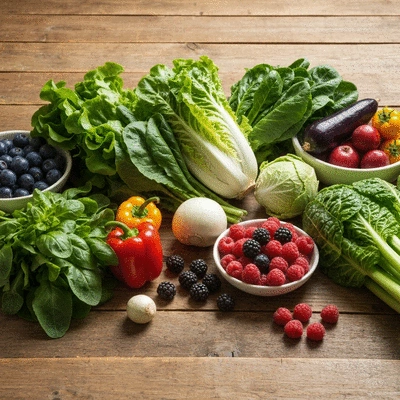
Sustainable products focus on the entire supply chain, including ethical sourcing and fair trade practices. Look for brands that prioritize environmentally friendly practices, such as using renewable resources and minimizing waste, to ensure your purchases contribute positively to the planet. This aligns with promoting sustainable shopping tips for Australia.
Importance of Ethical Sourcing and Certifications
When shopping for health products, it’s essential to consider the ethics behind their sourcing. Products with certifications such as Australian Certified Organic (ACO) or USDA Organic provide assurance that they meet strict guidelines. These certifications not only guarantee quality but also promote transparency in the marketplace.
By supporting brands with ethical sourcing, we contribute to fair labor practices and help communities thrive. This aligns perfectly with our mission at Health Stores Australia to empower individuals through informed shopping decisions.
Exploring Organic Certification: What You Need to Know
Understanding organic certification can feel overwhelming, but it’s simpler than it seems! Here’s what you need to know:
- Certification Bodies: Familiarize yourself with key organizations that certify organic products.
- Label Reading: Learn to identify which labels indicate organic status and what they mean.
- Regional Standards: Be aware that organic standards can vary by region, so check for local certifications.
Organic certification serves as a reliable guide for shoppers, ensuring that what you buy supports sustainable agriculture and responsible practices. As we continue to explore the world of health products, I encourage you to keep these aspects in mind!
Interactive Poll: Your Shopping Preferences
When it comes to purchasing organic health products, what influences your decision the most? Choose one of the options below:
Summarizing Your Options for Organic Health Products in Australia
As we wrap up our exploration, it's essential to highlight the variety of options available for organic health products in Australia. From trusted physical stores to online retailers, there’s something for everyone. By understanding where to shop, you can make informed choices that align with your health goals and values.
In summary, both local health food stores and online platforms provide a wealth of resources for purchasing organic products. Here’s a quick recap of what you can explore:
- Physical Stores: Check out local favorites in cities like Sydney and Melbourne for personalized advice.
- Farmers Markets: Engage with community vendors and enjoy fresh, organic produce.
- Online Options: E-commerce sites offer convenience and competitive pricing for organic products.
No matter the purchasing route you choose, supporting sustainable practices and ethical sourcing should always be a priority! For more insights, consider exploring online health stores in Australia.
Budget-Friendly vs. Premium: Making Informed Choices
When it comes to selecting organic health products, you'll often find a broad spectrum of prices, from budget-friendly items to premium offerings. It's crucial to assess your needs and make choices that best fit your lifestyle without compromising quality. Here are some tips to help navigate your options:
- Know Your Budget: Determine how much you’re willing to spend on organic health products.
- Research Brands: Look for reputable brands that provide transparency in their sourcing and production practices.
- Compare Quality: Sometimes, paying a bit more can mean higher quality, better ingredients, and more sustainable practices.
By evaluating these factors, you can make choices that not only suit your budget but also support your health and well-being. Remember, investing in quality organic products often leads to better long-term health outcomes!
Encouraging Sustainable Choices for a Healthier Future
How Your Purchases Impact the Environment and Local Communities
Your shopping habits can significantly influence both the environment and local communities. Every time you choose organic products, you're supporting practices that aim to reduce harm to the planet. Here’s how:
- Reduced Chemical Use: Organic farming practices minimize the use of harmful pesticides and fertilizers.
- Support Local Farmers: Buying from local health stores or farmers markets helps sustain local economies.
- Sustainable Packaging: Many organic products prioritize eco-friendly packaging that reduces waste.

Embracing these choices not only nurtures your health but also contributes positively to our shared environment!
Next Steps: Where Will You Shop for Organic Products Today?
Now that you’re equipped with knowledge about your options, it’s time to take action! Whether you decide to visit a local health store or explore online retailers, I encourage you to make a conscious choice today. Why not start by checking out your nearest farmers market or exploring an online store that aligns with your values?
Remember, each purchase is a vote for the kind of world you want to support. Let’s make those votes count!
Exploring the Benefits of Community Supported Agriculture (CSA)
Have you considered joining a Community Supported Agriculture (CSA) program? These programs connect consumers directly with local farmers, allowing you to receive fresh, organic produce regularly. Here are some benefits of participating in a CSA:
- Freshness: Enjoy the freshest produce, often harvested just hours before it reaches your table.
- Seasonal Eating: Learn to cook with seasonal ingredients, enhancing your culinary skills.
- Community Connection: Build relationships with local farmers and become more involved in your food sources.
By opting into a CSA, you not only support sustainable farming practices but also strengthen your connection to the local food community. It's a win-win for your health and the planet!
Frequently Asked Questions (FAQs)
- What is the difference between organic and sustainable health products?
- Organic products are certified to be free from synthetic pesticides, fertilizers, and GMOs, with animal welfare and soil health considerations. Sustainable products focus on the entire supply chain, including ethical sourcing, fair trade, renewable resources, and minimal environmental impact.
- Why are certifications important for organic products?
- Certifications like Australian Certified Organic (ACO) or USDA Organic provide assurance that products meet strict guidelines for quality, transparency, ethical sourcing, and fair labor practices, helping consumers make informed choices.
- How can I identify organic products when shopping?
- Look for official certification labels from recognized bodies (e.g., ACO, USDA Organic) on product packaging. Familiarize yourself with these labels and be aware that standards can vary by region.
- Where can I buy organic and sustainable health products in Australia?
- You can find these products at local health food stores, farmers markets (for fresh produce), and various online retailers. Each option offers unique benefits in terms of selection, price, and community engagement.
- How do my purchases of organic products benefit the environment and local communities?
- Choosing organic products supports farming practices that reduce harmful chemical use, aids in sustaining local economies by supporting local farmers, and often promotes eco-friendly packaging, contributing to a healthier planet and stronger communities.
Recap of Key Points
Here is a quick recap of the important points discussed in the article:
- Organic products are made without harmful pesticides, synthetic fertilizers, and GMOs, promoting better health.
- Sustainable products consider the entire supply chain, ensuring minimal environmental impact and ethical sourcing.
- Look for certifications like Australian Certified Organic (ACO) to guarantee quality and transparency.
- Explore various shopping options, including local health stores, farmers markets, and online platforms for organic products.
- Make informed choices by assessing your budget and researching brands for quality and sustainability.
- Support local farmers and sustainable practices to positively impact your community and the environment.