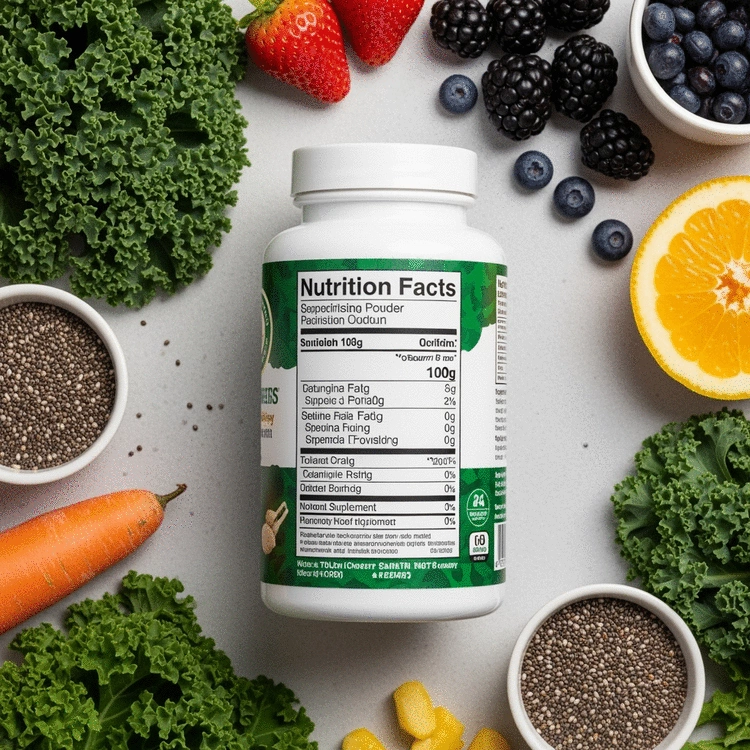

Feeling overwhelmed by the multitude of health products at your local store? Understanding nutrition labels is your first step to making informed choices that align with your health goals.
What You Will Learn
- The significance of reading nutrition labels to identify healthier options.
- How to spot hidden sugars and unhealthy fats in products.
- The importance of serving sizes for understanding actual consumption.
- Tips for utilizing the Health Star Rating for quick product comparisons.
- The potential misleading nature of health claims on packaging.
- Interactive tools and resources available to make label reading easier.
Key Takeaways for Navigating Nutrition Labels
Understanding nutrition labels is crucial for Australian shoppers to make informed health choices. Here are the essential aspects to consider when reading product packaging.
Serving Size & Macronutrients
Always check the serving size to understand actual consumption. Focus on balanced intake of fats, proteins, and carbohydrates.
Ingredient Transparency
Pay attention to the ingredients list for hidden additives and sugars. Prioritize products with clear and honest ingredient claims.
Health Star Rating
Utilize the Health Star Rating for quick comparisons between similar products to find healthier options efficiently.
Beware of Health Claims
Be mindful of health claims on packaging – they can be misleading. Always verify claims by checking the full nutrition label.
Understanding the Importance of Nutrition Labels in Health Store Products
Have you ever felt confused standing in the aisle of your local health store, staring at an array of products with tiny text? You're not alone! Understanding nutrition labels is crucial for making informed health choices. These labels provide essential information that can guide your shopping decisions, ensuring you select the best products for your health journey.
As someone passionate about health and wellness, I believe that every shopper in Australia should not just glance at labels but truly engage with them. By doing this, you can understand what you’re putting into your body and how it aligns with your health goals. Whether you’re aiming for more energy, better digestion, or simply wanting to eat cleaner, nutrition labels are your entry point to making informed choices. For a deeper dive into making smart dietary choices, explore our guide on choosing healthy fats and oils.
Why Reading Nutrition Labels Matters for Shoppers in Australia
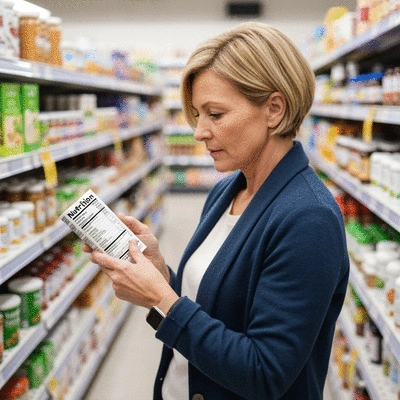
For us Australians, navigating the health food landscape can be tricky. Health stores are filled with options, each boasting various benefits, which makes it vital to know how to read nutrition labels effectively. By understanding these labels, you can:
- Identify healthier options that suit your dietary needs
- Avoid products loaded with hidden sugars and unhealthy fats
- Make comparisons between similar products to find the best option
As I explore different health stores across the country, I often see shoppers overwhelmed by the choices available. Taking the time to read nutrition labels can help you feel more confident in your selections and less likely to make impulse buys that don’t align with your health goals.
Navigating Australian Health Store Products: A Unique Challenge
The Australian health product market is diverse and ever-growing, which can present challenges for shoppers. With a multitude of brands and types of products, it’s easy to get lost in the details. That’s why I encourage you to prioritize understanding nutrition labels as a first step in navigating this landscape.
Many health foods are marketed as “natural” or “organic,” but these terms can sometimes be misleading. By reading nutrition labels closely, you can uncover the truth behind these claims and choose products that genuinely support your well-being. This attention to detail is similar to the care taken when evaluating protein supplements, where understanding the label is paramount.
Role of Food Packaging in Communicating Nutritional Information
Food packaging plays a crucial role in how we perceive products. It's not just about how the packaging looks; it’s also about the information it conveys. Effective packaging can highlight important features such as:
- Ingredient transparency
- Health claims and certifications
- Allergen information for sensitive shoppers
As I visit various health stores, I often find that products with clear, honest packaging stand out. These items typically offer more than just appealing visuals – they provide the reliable information you need to feel good about your choices. Always take a moment to read food packaging, as it can give insights into what you’re really buying!
We Want to Hear From You!
What aspect of reading nutrition labels do you find most challenging? Share your thoughts below:
Summarizing the Essentials of Nutrition Label Reading
When it comes to making informed choices at health stores, understanding nutrition labels is key! It's not just about picking up a product; it’s about knowing what each component means for your health. Here are some key takeaways that can help you navigate the shelves with confidence:
- Always check the serving size to understand how much you're actually consuming.
- Look closely at the macronutrients: focus on balanced intake of fats, proteins, and carbohydrates.
- Pay attention to the ingredients list for hidden additives and sugars.
- Utilize the Health Star Rating for quick comparisons between similar products.
- Be mindful of health claims on packaging – they can be misleading!
By keeping these points in mind, you can easily sift through the vast array of products and choose the ones that align with your health goals. Remember, knowledge is power when it comes to your well-being!
Encouragement to Utilize Nutrition Labels for Healthier Choices
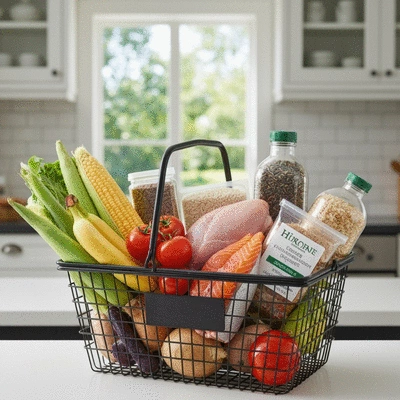
Reading nutrition labels can seem daunting at first, but I encourage you to embrace this practice! Understanding what goes into your body empowers you to make healthier lifestyle choices. Each time you pick up a product, ask yourself: is this the best option for my health?
Don't hesitate to challenge yourself! Try to identify one or two new things you can learn about a product each time you shop. For instance, check out the sugar content or the fiber levels. By making this a habit, you’ll become more comfortable with label reading, and it will soon feel second nature. This skill is as important as understanding how to decode ingredient lists for optimal health.
Engaging with Resources and Tools for Better Shopping
Interactive Tools: Label Demos and Nutrient Calculators to Enhance Understanding
In today’s digital age, there are numerous resources at your disposal to help make label reading easier. Many health store websites offer interactive tools, such as label demos and nutrient calculators. These can break down complex information into digestible bits. For instance, you might find an online tool where you can input a product's nutrition facts to see how it fits into your daily dietary requirements!
- Nutrient calculators to track your intake of specific vitamins and minerals.
- Label demos to visualize what to look for on packaging.
- Apps that scan barcodes and provide instant nutritional information.
Utilizing these tools can enhance your understanding and boost your confidence as you shop for health products.
Where to Find More Information: Links to Official Australian Health Resources
For further exploration, I recommend checking out official Australian health resources. Websites like Food Standards Australia New Zealand (FSANZ) and The Australian Dietary Guidelines provide comprehensive information on interpreting nutrition labels and understanding food safety standards. Here are a few links to get you started:
These resources are invaluable for anyone looking to deepen their knowledge about nutrition and make informed choices.
Boosting Nutritional Literacy: Educational Resources and Programs
Lastly, don't overlook the power of community resources! Many local health stores, including those featured on Health Stores Australia, offer workshops or classes focused on nutritional literacy. These can be a fantastic way to learn from experts, ask questions, and engage with others who share your health interests. Keep an eye out for:
- Workshops on reading nutrition labels.
- Classes on cooking with healthful ingredients.
- Programs that focus on specific dietary needs, such as vegan or gluten-free options.
Engaging with these resources not only boosts your knowledge but also connects you to a community focused on wellness and healthy living!
Frequently Asked Questions About Nutrition Labels
Why is it important to read nutrition labels?
Reading nutrition labels is crucial for making informed health choices, identifying healthier options, avoiding hidden sugars and unhealthy fats, and comparing products effectively to align with your health goals.
What should I look for first on a nutrition label?
Always start by checking the serving size, as this dictates the nutritional values listed. Then, examine the macronutrients (fats, proteins, carbohydrates) and the ingredients list for hidden additives or sugars.
How can the Health Star Rating help me?
The Health Star Rating provides a quick, visual comparison between similar products, helping you identify healthier choices at a glance without having to meticulously read the entire nutrition panel.
Are health claims on product packaging always reliable?
No, health claims on packaging can sometimes be misleading. It's essential to verify these claims by examining the full nutrition label and ingredient list to understand the true nutritional content of the product.
Where can I find more information about Australian nutrition standards?
You can find comprehensive and reliable information from official Australian health resources such as Food Standards Australia New Zealand (FSANZ) and The Australian Dietary Guidelines.
Recap of Key Points
Here is a quick recap of the important points discussed in the article:
- Engage with nutrition labels to make informed health choices.
- Identify healthier options by checking serving sizes and macronutrient content.
- Look for ingredient transparency and be wary of misleading health claims.
- Utilize resources like Health Star Ratings for quick product comparisons.
- Take advantage of digital tools and community workshops to enhance your nutritional literacy.