

Curious about how the health of your gut can influence your overall well-being? Research shows that a balanced gut microbiome plays a crucial role in not just digestion but also immunity and mood regulation. Understanding these connections can empower you to make informed lifestyle choices that significantly enhance your health journey.
What You Will Learn
- Gut health is essential for proper digestion, immune support, and mood regulation.
- A diverse gut microbiome enhances health and is influenced by diet, lifestyle, and environment.
- Fiber-rich and fermented foods are key to nourishing gut bacteria.
- Long-term gut health maintenance requires monitoring dietary choices and supplement regimens.
The Gut Health Trio: Diet, Supplements, and Probiotics for Long-Term Wellness
This visual illustrates the interconnected roles of diet, supplements, and probiotics in maintaining gut health, alongside key long-term considerations for sustained well-being. For more insights into making informed health choices, you might find our guide on choosing health store products wisely particularly helpful.
The Gut Health Trio
Long-Term Considerations
Understanding the Importance of Gut Health
Have you ever considered how essential gut health is to your overall well-being? It’s not just about digestion! A healthy gut is vital for many body functions, affecting everything from your immune system to your mood. Understanding gut health can empower you to make informed lifestyle choices that significantly impact your health journey.
What is Gut Health and Why It Matters
Gut health refers to the balance of microorganisms living in the digestive tract. These include bacteria, viruses, fungi, and other microbes that play a crucial role in your health. When we talk about gut health, we're essentially discussing how well your digestive system functions and how efficiently it absorbs nutrients and eliminates waste.
- Improved Digestion: A healthy gut helps break down food and assimilate nutrients.
- Boosted Immunity: Approximately 70% of your immune system resides in your gut!
- Mood Regulation: Gut health can influence neurotransmitters, impacting your mood and mental health.
It’s fascinating to think about how interconnected our gut is to our entire body! Poor gut health can lead to various issues, including digestive disorders, fatigue, and even anxiety. So, prioritizing gut health is essential for living a healthier, happier life. For more evidence-based health tips, specifically for Australians, consider exploring our dedicated resource on evidence-based health tips for Australians.
The Role of the Gut Microbiome in Overall Well-Being
The gut microbiome consists of trillions of bacteria that help digest food, regulate the immune system, and produce essential vitamins. Each person has a unique microbiome shaped by factors like diet, lifestyle, and environment. A diverse microbiome is a healthy microbiome! It enhances your gut's ability to fend off diseases and maintain balance.
- Diversity is Key: A wide variety of gut bacteria contributes to better health.
- Nutrition Matters: Foods rich in fiber, like fruits and vegetables, support microbial diversity.
- Environmental Factors: Stress, sleep, and antibiotics can disrupt the balance.
By nourishing your gut microbiome with the right foods and habits, you can optimize your health and well-being. It’s amazing how making small, mindful changes can lead to significant improvements!
How Gut Flora Affects Digestive Health
Gut flora, or gut bacteria, plays a pivotal role in digestive health. These microorganisms help break down complex carbohydrates, absorb nutrients, and fight off harmful pathogens. When your gut flora is out of balance, it can lead to issues like bloating, constipation, and even irritable bowel syndrome (IBS).
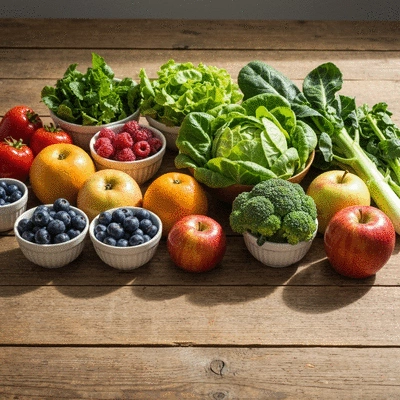
Here are a few ways to support your gut flora:
- Eat a Fiber-Rich Diet: Foods like whole grains, legumes, and vegetables are excellent for nourishing gut bacteria.
- Include Fermented Foods: Items like yogurt, kimchi, and sauerkraut introduce beneficial bacteria to your gut.
- Stay Hydrated: Water is vital for maintaining the mucosal lining of the intestines.
By focusing on maintaining a balanced gut flora, you can enhance your digestive health and overall well-being. Remember, your gut is a wonderful ally in your journey toward a healthier lifestyle!
Pro Tip
Did you know? Incorporating a variety of fermented foods into your diet can significantly enhance your gut health. Foods like kefir, kimchi, and kombucha not only introduce beneficial bacteria but also contribute to a more diverse gut microbiome, which is essential for optimal digestive health. Aim to include at least one fermented food in your meals each day!
Summarizing Key Takeaways on Gut Health
As we explore the intricate world of gut health, it's clear that understanding your body is vital for overall well-being. From the foods we eat to the supplements we take, everything plays a significant role in maintaining a healthy gut. So, what are the key takeaways? Let's break it down!
- The gut microbiome is crucial for digestion and immune support.
- Probiotics can enhance gut flora, improving digestion and overall health.
- A balanced diet rich in fiber and fermented foods is essential for gut maintenance.
- Choosing the right supplements can help tailor gut health to individual needs.
These insights remind us that gut health is a journey. It requires a mix of dietary choices and smart supplementation. By keeping these takeaways in mind, you can make informed decisions that positively impact your well-being.
The Intersection of Diet, Supplements, and Probiotics
When it comes to gut health, diet, supplements, and probiotics form an essential trio. A healthy diet lays the groundwork, while probiotics and supplements can offer additional support. Here’s how they intertwine:
- Diet: Focus on whole foods that provide natural probiotics and prebiotics.
- Supplements: These can fill gaps in your nutrition and support specific health goals.
- Probiotics: They help replenish and diversify your gut flora, supporting digestion and immunity.
With this combination, you'll foster a thriving gut microbiome! As I often mention in my work at Health Stores Australia, it’s about creating a balanced approach to health.
Long-Term Considerations for Gut Health Maintenance
Maintaining gut health is a long-term commitment, and it’s essential to understand a few key principles to keep your gut thriving. Regularly revisiting your dietary choices and supplement regimen is crucial. Here are some long-term considerations:
- Monitor your body’s responses to dietary changes and supplements.
- Stay informed about the latest research on gut health and probiotics.
- Consider regular consultations with health professionals to tailor your approach.
- Embrace a lifestyle that includes stress management and physical activity.
By staying proactive about your gut health, you can ensure that you’re not only addressing immediate concerns but also setting the foundation for lasting wellness!
Encouraging Action: How to Improve Your Gut Health Today
Ready to take charge of your gut health? It's time to explore practical steps to integrate probiotics and supplements into your daily routine! Every small change can make a significant difference in your health journey.
Steps to Integrate Probiotics and Supplements into Your Routine
Incorporating probiotics and supplements into your life doesn’t have to be overwhelming. Here are some straightforward steps to get started:
- Identify your health goals and choose supplements that align with them.
- Start with a low dose of probiotics to gauge your body’s response.
- Gradually introduce fermented foods into your meals for a natural source of probiotics.
- Stay consistent with your regimen for optimal benefits.
Remember, your journey to better gut health is personal, and it’s okay to adjust your strategies as you learn what works best for you!
Engage with Experts: Accessing Professional Guidance and Resources
Don't navigate this journey alone! Engaging with health professionals can provide personalized insights that make all the difference. Here’s how to connect with experts:
- Seek out nutritionists or dietitians specializing in gut health.
- Look for workshops or seminars on probiotics and gut wellness.
- Utilize online resources or forums for community support and shared experiences.

As a wellness writer, I continually emphasize the importance of having a support system. At Health Stores Australia, we strive to provide the resources you need to empower your health decisions!
Understanding Detoxification and Its Benefits for Gut Health
Detoxification is another essential aspect of maintaining gut health. It involves the body’s natural process of eliminating toxins and can significantly benefit your digestive system. Here’s what to know about detox and gut health:
- Detox supports the liver and helps in processing the nutrients you consume.
- Incorporating detox-friendly foods, like leafy greens and fruits, can bolster gut health.
- Hydration plays a crucial role in an effective detox process.
Regular detox practices can rejuvenate your gut and enhance your overall health! So, why not explore some of these options as part of your wellness routine? To further your understanding of overall well-being, explore our tips on finding trusted health stores nearby that can provide quality products and advice.
Recap of Key Points
Here is a quick recap of the important points discussed in the article:
- Gut health is essential for digestion, immunity, and mood regulation.
- A diverse gut microbiome contributes significantly to overall health.
- Eating a fiber-rich diet and including fermented foods supports gut flora.
- Regular monitoring and adjustments to your diet and supplements are key for long-term gut health.
- Engaging with health professionals can provide personalized insights for better gut health management.